
Programme
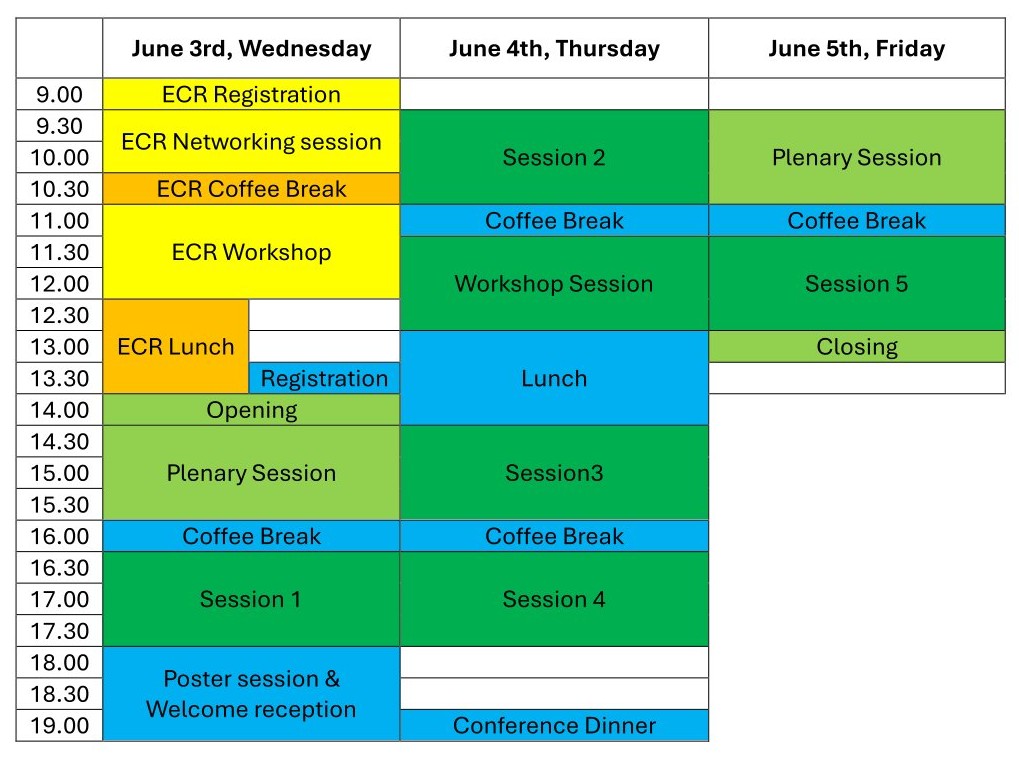
Provisional day-by-day program
The conference will open on the 3rd of June 2026 at lunchtime, and it will close on the 5th of June 2026 in the afternoon. A work-shop for Early Career Researchers will take place in the morning of the 3rd of June. Accepted papers will be grouped according to the relevant themes in the dedicated sessions in the timetable and will be chaired by a session-leader. Paper presentations will be 15 minutes (subject to the number of contributions) followed by 10 minutes for discussion.
Plenary Sessions
Prof Kristina Reiss (Technische Universität München, DE)Assessing students’ competence in mathematics: |  |
International large-scale studies on student mathematical achievement provide insights into the effectiveness of education systems in an international context. The extensive data collected as part of these studies - both at the international and national levels - is therefore a valuable tool for policy decisions regarding schools and instruction. However, the data also offers potential for practical work in the mathematics classroom. In particular, it can be used to better understand the competencies students are expected to attain and thus support their development in a focused manner. This presentation will outline objectives of large-scale studies and discuss their potential using concrete examples.
The session recording is available HERE.
Prof Jenni Ingram (Oxford University, UK)PISA and mathematics education: | 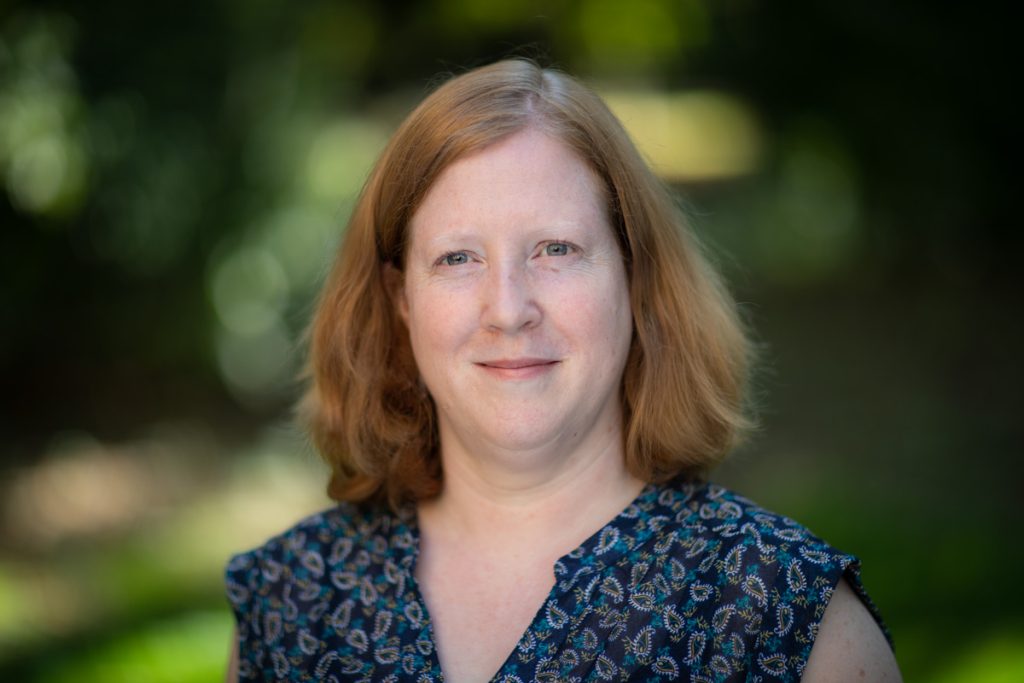 |
International large-scale assessments (ILSAs) such as PISA play a powerful role in shaping debates within mathematics education. In this talk, we will explore what PISA can legitimately tell us about mathematics learning and teaching - and what it cannot. Drawing on examples from mathematics trend data and equity analyses, I will argue that misunderstandings of the epistemic scope of PISA distort how the findings are used by politicians, the media, and by ourselves as mathematics education researchers. ILSAs have an important role within mathematics education research that focuses on formative and summative assessment, but we need to be clearer about the methodological affordances and constraints of these large-scale assessments to enable both researchers and other stakeholders to use the findings responsibly.
The session recording is available HERE.